
Root Canal Retreatment in Parma, OH
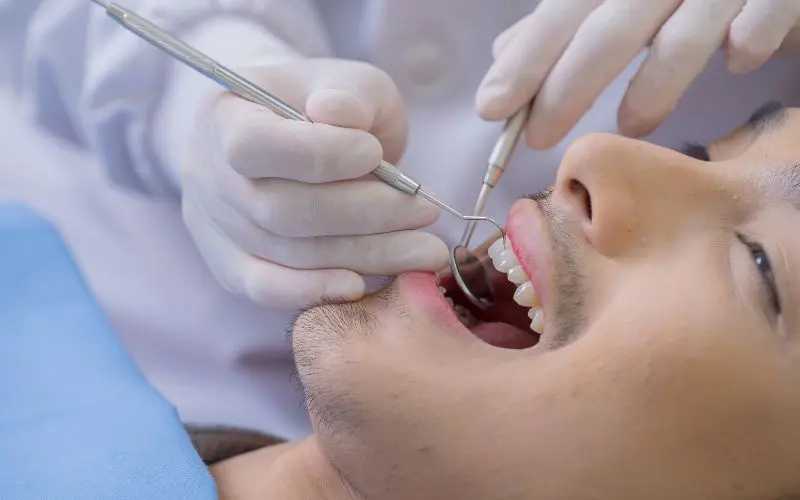
When a tooth that already had a root canal starts hurting again, retreatment is what gives it a second chance.
Dr. Job removes the old filling material, recleans and disinfects the canals, and reseals the tooth so the infection is fully resolved. The procedure uses the same numbing and comfort-first approach that has earned this practice nearly 500 five-star reviews. You are walked through exactly what is happening and why retreatment is being recommended before anything is scheduled.
You keep your natural tooth instead of moving to extraction and a more involved replacement process.
Patients across the south Cleveland area come here for retreatment because the team that evaluates the problem is the same team that fixes it.
I already had a root canal on this tooth. Why is the pain coming back?
A root canal that was done years ago can fail for several reasons. The original canals may not have been fully cleaned, a new crack may have developed in the root, or bacteria may have re-entered through a deteriorating seal. When symptoms return, it does not mean the first procedure was done poorly. It means the tooth needs another round of treatment to address what is happening now. Dr. Job evaluates the tooth with current imaging and gives you an honest assessment of whether retreatment can save it.
Is retreatment more painful or complicated than the original root canal?
Retreatment follows the same basic steps as the original procedure. The old filling material is removed, the canals are cleaned again, and the tooth is resealed. The area is fully numbed before anything starts, and most patients say the experience is comparable to their first root canal. The main difference is that the crown or restoration on top of the tooth usually needs to be removed to access the canals, which adds a step. Dr. Job walks you through the full process before anything is scheduled.
What happens if retreatment does not work?
If retreatment cannot resolve the infection, the next options are typically an apicoectomy, which is a minor surgical procedure to remove the tip of the root, or extraction followed by an implant. Dr. Job explains all available paths before retreatment begins so you understand what the backup plan looks like if the tooth does not respond. Most retreatments are successful, but knowing the full picture upfront is part of how this practice operates.
Frequently Asked Questions
Signs of a failed root canal include recurring pain or sensitivity in the treated tooth, swelling near the tooth, a pimple-like bump on the gums, or darkening of the tooth. Some failures are only visible on an X-ray during a routine exam. If you are experiencing any of these symptoms, getting the tooth evaluated promptly gives you the best chance of saving it with retreatment.
Most can, but not all. If the root is fractured vertically or the tooth structure is too compromised to support a new restoration, extraction may be the better option. Dr. Job evaluates the tooth thoroughly with imaging before recommending retreatment and will tell you honestly if the tooth is not a good candidate.
Many dental insurance plans cover retreatment, though the coverage percentage may differ from the original procedure. Dr. Job's office checks your coverage before treatment and explains your out-of-pocket cost upfront so there are no surprises when the work is done.
Retreatment typically takes one to two appointments, each lasting sixty to ninety minutes. Removing the old filling material and re-cleaning the canals adds time compared to a first-time root canal. Dr. Job schedules enough time so the procedure is thorough and unhurried.
In most cases, yes. The existing crown is usually removed to access the canals, and a new crown is placed after the retreatment is complete and the tooth has been sealed. This is factored into the cost estimate you receive before treatment begins.
Yes. Many patients in the south Cleveland area come to Dr. Job's practice for retreatment after having their original procedure done at another office. No referral is needed. Dr. Job evaluates the tooth based on its current condition regardless of where the original work was performed.