
Tooth Extractions in Parma, OH
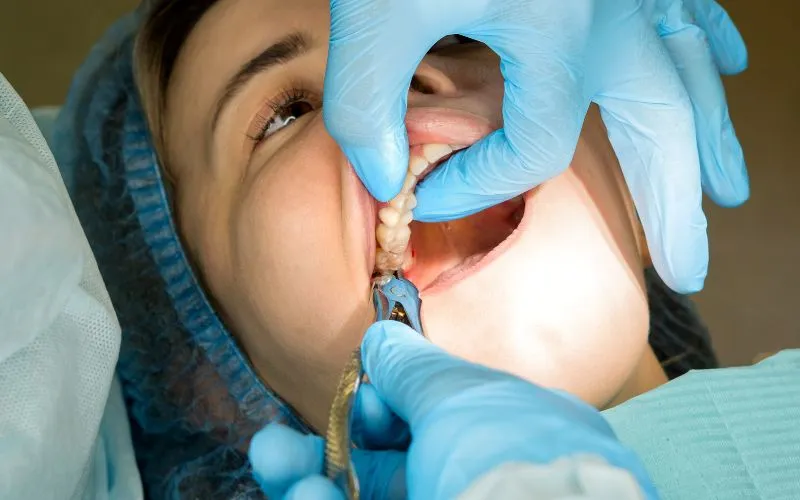
When a tooth cannot be saved, removing it cleanly protects the rest of your mouth from further damage.
Patients at Dr. Job's Parma practice consistently describe extractions as far less uncomfortable than they anticipated. Before anything is done, you will be walked through exactly what to expect. After the extraction, the conversation turns to your options for replacing the tooth, because a gap in your bite left untreated causes the surrounding teeth to shift over time.
You are never left wondering what happens next.
Patients across the south Cleveland area come here for extractions because the same comfort and transparency that defines every other procedure at this practice does not disappear when the work gets more involved.
Will the pulling sensation during an extraction be unbearable?
The area is completely numbed before the procedure begins, so there is no sharp pain. What you will feel is pressure and movement, not pain. That distinction is important. Dr. Job takes time to ensure the numbing is complete before starting, and patients here consistently say the experience was far less intense than they had imagined. The reputation this practice has built across nearly 500 reviews for comfortable procedures extends to extractions as well.
I don't want to end up with a missing tooth long term. What are my replacement options?
The three main replacement options are a dental implant, a fixed bridge, or a removable partial denture. Implants are considered the gold standard because they replace the root and prevent bone loss. Bridges are faster and do not require surgery but involve reshaping the adjacent teeth. Partials are the most affordable option but are removable. Dr. Job has a direct conversation about all three options at the same appointment as the extraction so you leave with a plan rather than an open-ended gap.
What are my options for replacing the tooth after it is removed?
After an extraction, the best path depends on your budget, your timeline, and whether the adjacent teeth are healthy. Dental implants provide the most natural result and prevent bone loss but require a healing period. A bridge is faster and less invasive but involves the neighboring teeth. A partial denture is the most budget-friendly option and can often be placed quickly. Dr. Job walks you through the honest tradeoffs so you can make the decision that fits your situation.
Frequently Asked Questions
Wanting a second opinion before an extraction is completely reasonable and something any good dentist supports. There are situations where a tooth can be saved with a root canal and crown that another dentist might extract without exploring that option. Dr. Job will look at your X-rays honestly and tell you whether extraction is truly necessary or whether there is a reasonable case for saving the tooth.
A tooth cannot be saved when the root is fractured vertically, the bone support has been destroyed by advanced gum disease, or the tooth has broken off at or below the gumline without enough structure remaining for a crown. Dr. Job uses X-rays and a clinical exam to assess exactly what remains and gives you a clear, honest answer before recommending extraction.
The soft tissue over the socket typically closes within three to four weeks. The bone underneath takes several months to fully fill in and remodel. The area may feel tender when touched but should not be actively painful after the first week. If pain increases after three or four days rather than decreasing, contact the office because that pattern can indicate dry socket or infection.
Yes, and it can happen faster than most people expect. Teeth naturally drift toward open spaces in the mouth, which changes your bite alignment and can cause crowding in areas that were previously straight. The longer the gap remains unfilled, the more significant the shift becomes, and the more complex future restoration gets. This is one of the main reasons timely tooth replacement matters beyond just aesthetics.
Stick to soft foods and cool liquids for the first twenty-four hours. Avoid anything hot, hard, or requiring significant chewing, and do not use a straw. By day two or three most patients are comfortable eating soft foods on the opposite side of the mouth. Normal eating returns gradually over the first one to two weeks. Dr. Job provides a clear list of what to eat and avoid so healing goes as smoothly as possible.