
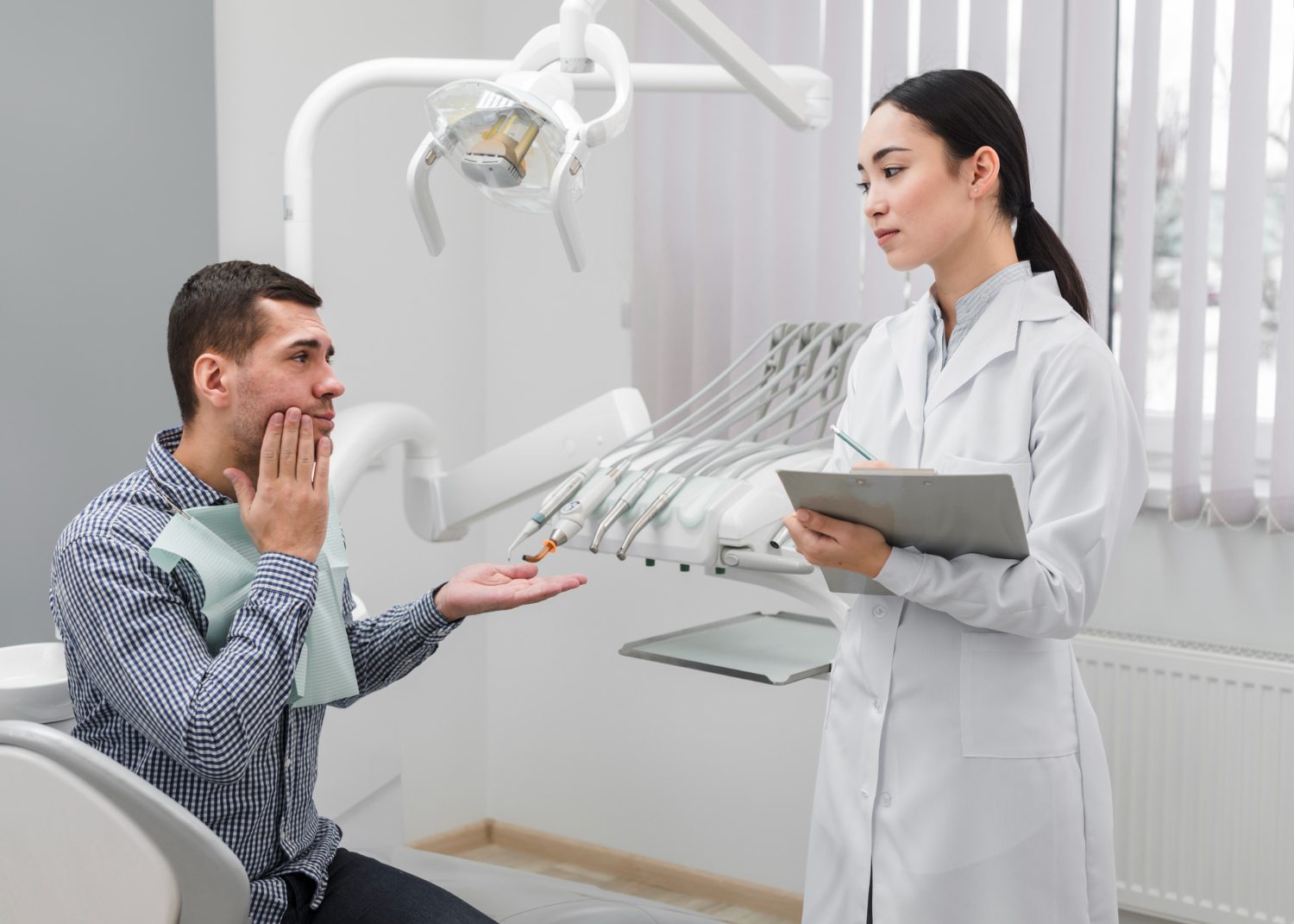
Dental emergencies can happen when you least expect them. Whether it’s a knocked-out tooth during a soccer game or a sudden toothache in the middle of the night, knowing how to handle these situations and when to see an emergency dentist can make a big difference. Quick actions can help save a tooth or ease severe pain, preventing more significant problems later.
Understanding the right steps to take during a dental emergency can protect your smile and keep your mouth healthy. Simple, immediate actions can mean the difference between losing a tooth and saving it. Toothaches, broken teeth, and soft tissue injuries are common dental emergencies that need quick solutions.
Handling a Knocked-Out Tooth
Steps to Take Immediately
If your tooth gets knocked out, it’s important to act quickly. First, find the tooth and pick it up by the crown, which is the top part. Avoid touching the root to protect important cells. If the tooth is dirty, gently rinse it with water. Do not scrub it or use soap.
Try to put the tooth back in its socket. If you can’t, place it in a cup of milk or saline solution. Time is critical—the sooner you get to the dentist, the better the chances of saving the tooth.
When to See a Dentist
Call your dentist immediately after a tooth is knocked out. Bring the tooth with you in the container of milk or saline. Some dentists can reimplant the tooth if you act fast enough. Even if the tooth can’t be saved, your dentist can discuss replacement options like dental implants or bridges.
Managing Severe Toothaches
Identifying the Cause
A toothache can result from several issues, including decay, infection, or a cracked tooth. Before visiting the dentist, try to identify what’s causing the pain. Is it sharp or dull? Does it hurt when you bite down? These details help your dentist diagnose the problem.
Immediate Relief Steps
While waiting for your dental appointment, you can try several things to ease the pain. Rinse your mouth with warm salt water to reduce inflammation. Take over-the-counter pain relievers like ibuprofen or acetaminophen as directed on the package.
Apply a cold compress to your cheek for 15 minutes at a time to numb the area. Avoid chewing on the side of your mouth that hurts, and stick to soft foods. These steps provide temporary relief until you can see your dentist.
Dealing with Broken or Chipped Teeth
What to Do Immediately
If you break or chip a tooth, rinse your mouth with warm water. If there’s bleeding, apply gentle pressure with a clean cloth. Collect any pieces of the tooth if possible and bring them to your dentist. Even small fragments can be useful in repair options.
Apply a cold compress to your cheek to reduce swelling. Take pain relief medication if needed, and avoid hard or sticky foods that could further damage the tooth.
Repair Options
Your dentist can repair a chipped tooth in several ways. A small chip might be smoothed out, while larger breaks might need a filling or crown. In some cases, a dental bonding procedure can restore the tooth’s appearance and function. The type of repair depends on the severity of the damage.
Soft Tissue Injuries
Treating Cut Lips, Cheeks, or Tongue
Injuries to your mouth’s soft tissues can be painful and bleed a lot. Rinse the area with warm salt water and apply pressure with a clean cloth to stop bleeding. You can also apply ice wrapped in a thin cloth to reduce swelling.
For minor cuts, they usually heal on their own within a few days. However, if the cut is deep or won’t stop bleeding, you may need stitches. See your dentist or visit an emergency room if the injury seems serious.
When to Seek Emergency Care
If you have severe bleeding that won’t stop, difficulty swallowing, or signs of infection like fever or pus, seek emergency care immediately. These symptoms could indicate a more serious injury that needs professional attention.
Prevention and Preparation
Reducing Your Risk
Many dental emergencies can be prevented with good oral hygiene and care. Brush and floss daily, wear a mouthguard during sports, and avoid chewing on hard objects like ice or hard candy. Regular dental checkups help catch problems early before they become emergencies.
Creating an Emergency Plan
Knowing your dentist’s emergency number and having it readily available is important. Ask your dentist about their after-hours emergency services. Keep essential items like pain relievers, salt, and ice on hand at home.
Conclusion
Dental emergencies require quick thinking and immediate action. Whether you’re dealing with a knocked-out tooth, severe toothache, or broken tooth, knowing what to do can make a significant difference in the outcome. Contact your dentist as soon as possible for professional care.
For emergency dental services in Parma, Ohio, reach out to Dr. Jordan M. Job DDS. Our team is ready to help you manage any dental emergency and get you back to smiling confidently.