
Dental Crowns and Bridgework in Parma, OH
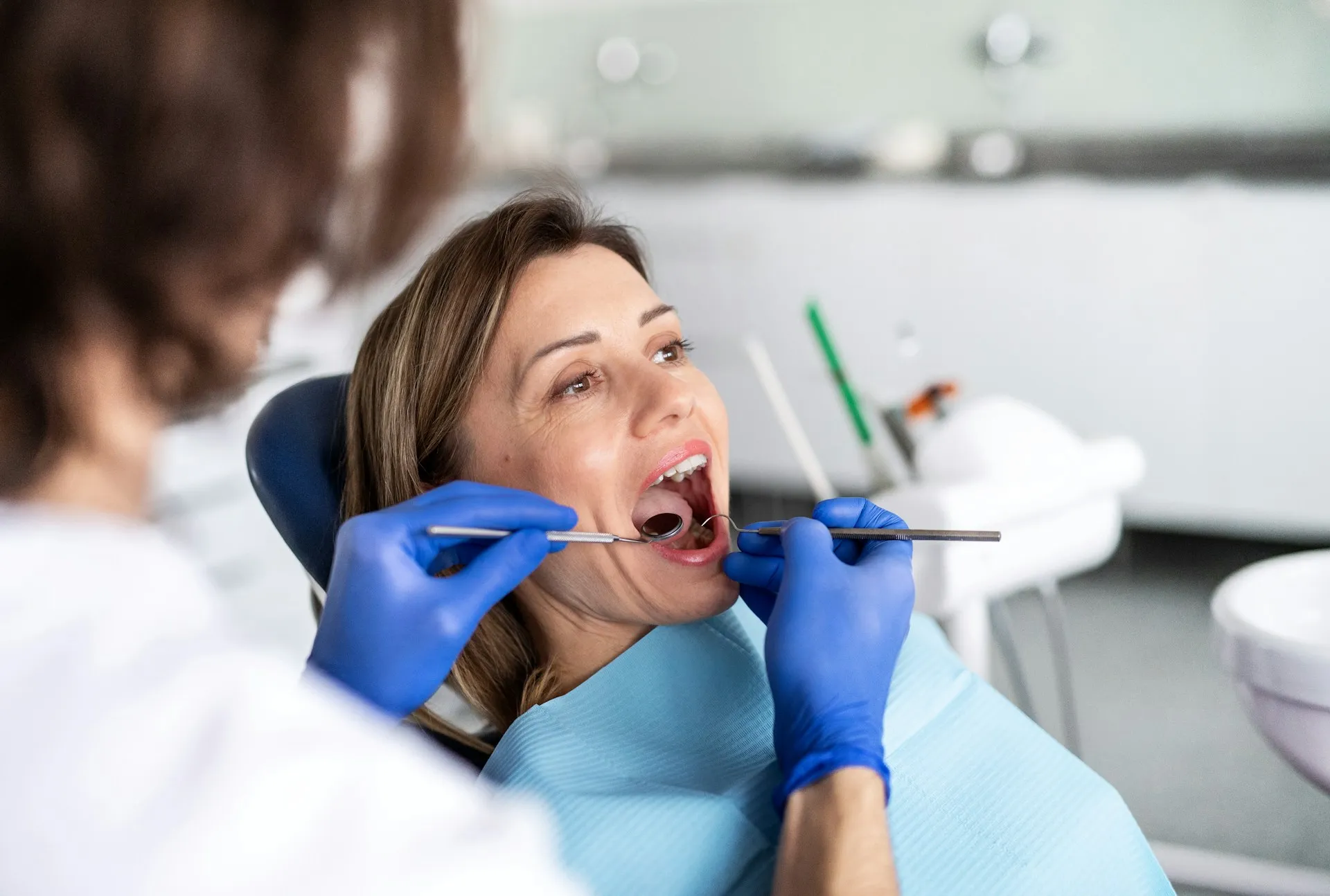
A tooth that is cracked, worn down, or too damaged for a filling needs a crown before the problem gets worse.
Dr. Job fits crowns and bridges in Parma without sending you to a specialist, so the team that placed your crown is the same team monitoring it at every future visit. Every restoration is matched to your surrounding teeth in color and shape so the repair is invisible. Cost estimates are given before work begins, not after.
You walk out knowing your tooth is protected and what the whole process cost you.
Families across the south Cleveland area trust this practice for crowns and bridges because nothing about the experience feels like a surprise.
My dentist said I need a crown but I'm not sure I actually do. How do I know?
That skepticism is healthy. Crowns are genuinely necessary when a tooth is cracked, severely decayed, or structurally compromised to the point where a filling cannot hold. Dr. Job uses X-rays and a thorough examination to explain exactly what is happening with your tooth and why a crown is or is not the right call. You will never be recommended treatment you do not need, and you will always understand the reasoning before anything is scheduled.
Does getting a crown hurt more than a filling?
Getting a crown is not significantly more uncomfortable than a filling from the patient's perspective. The area is fully numbed before preparation begins, and most patients say the procedure itself is uneventful. Some sensitivity in the days after is normal while the tooth adjusts. The reputation at this practice for gentle, comfortable procedures applies here too, and patients at Dr. Job's Parma office consistently report that the experience was easier than expected.
How long does a dental crown actually last?
With proper care, dental crowns typically last ten to fifteen years, and many last significantly longer. The main factors that affect longevity are oral hygiene, grinding habits, and whether you keep up with regular cleanings and checkups. A night guard can substantially extend the life of a crown if you tend to grind during sleep, which is something Dr. Job checks for as part of the planning process.
Frequently Asked Questions
A poorly fitted crown creates ongoing issues with chewing, sensitivity, and jaw alignment. When Dr. Job places a crown, the bite is checked and adjusted before you leave, and you are invited back if anything feels wrong after the numbness wears off. Many patients across the south Cleveland area transfer here specifically after unsatisfactory experiences at other practices.
A bridge replaces a missing tooth by anchoring an artificial tooth to the two healthy teeth on either side. Those anchor teeth are shaped down to accept crowns, which hold the replacement tooth in place between them. It is a fixed restoration, meaning it does not come out. Dr. Job walks you through the full process and what the adjacent teeth will look like long term before you agree to anything.
A well-made crown should be virtually indistinguishable from your natural teeth. Color, shape, and size are all matched to the surrounding teeth during the design process. Porcelain and ceramic crowns are designed to reflect light similarly to natural enamel. Dr. Job works with quality dental labs and takes care with shade matching so the final result blends naturally into your existing smile.
The teeth on either side, called abutment teeth, are reshaped so they can accept crowns. Those crowns anchor the replacement tooth in the middle. This is permanent, meaning those teeth will always need crowns going forward. Dr. Job explains this clearly before any preparation so you understand the long-term commitment. For patients who prefer not to alter adjacent teeth, implants may be a better fit.
At this practice, you receive a clear cost estimate before any treatment begins, not after. Insurance coverage is checked and explained upfront so you know what you will owe out of pocket. Patients across the south Cleveland area consistently mention that the pricing conversation at Dr. Job's office felt honest and straightforward compared to other practices they visited.
When a tooth goes missing, the teeth on either side begin to drift toward the empty space over time. That drifting creates bite problems, increases wear on surrounding teeth, and makes future replacement more difficult. The longer the gap remains unfilled, the more significant the shift becomes, and the more complex future restoration gets. This is one of the main reasons timely tooth replacement matters beyond just aesthetics.