
Wisdom Teeth Removal in Parma, OH
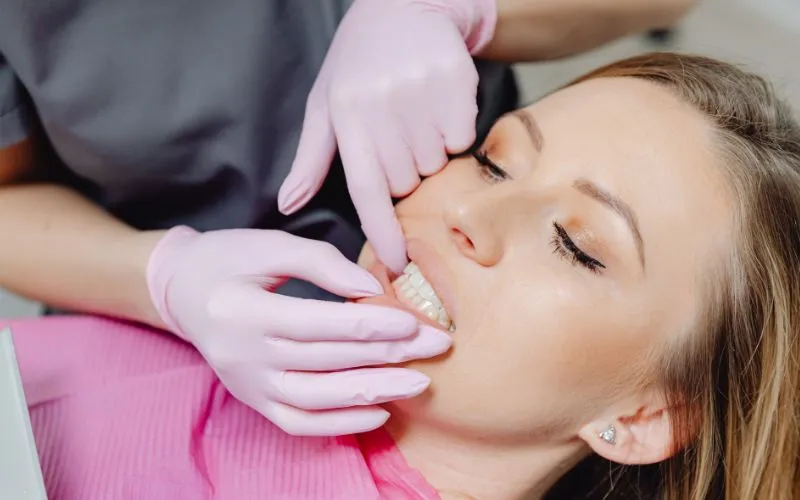
Wisdom teeth that do not have room to come in properly will eventually make their presence known through pain, crowding, or infection.
Removing them before they cause real damage is simpler, heals faster, and costs less than waiting until something goes wrong. Dr. Job handles wisdom tooth extractions in Parma so you stay with the team that already knows your mouth instead of being referred to a surgical center you have never visited. Recovery instructions are specific and clear so you know exactly how to take care of yourself in the days after.
Most patients are back to normal within three to five days.
Families across the south Cleveland area trust this practice for wisdom teeth because the familiar setting makes an already anxious procedure far less stressful.
I've been putting off wisdom teeth removal for years because of fear. Is it as bad as I think?
Many patients across the south Cleveland area put it off for years before finally coming in and saying the experience was far less difficult than the years of dreading it. Dr. Job handles extractions in the same comfortable, familiar setting where patients already feel at ease, which makes a meaningful difference when anxiety is part of the equation. Most people who finally come in say the experience was significantly easier than the stories they had heard.
I've heard horror stories about dry socket. How common is it and how do I avoid it?
Dry socket is much less common when aftercare instructions are followed closely. It occurs when the blood clot that protects the healing socket is dislodged before the tissue underneath has healed. Avoiding straws, smoking, and vigorous rinsing in the first few days significantly reduces the risk. Dr. Job provides clear, specific aftercare instructions designed to prevent exactly this outcome, and the team is reachable if anything feels off during recovery.
I'm worried that wisdom tooth recovery will affect my job. How long will I actually be out?
Most patients with straightforward extractions are back to desk work within one to two days and feeling normal within a week. Recovery is faster when teeth are removed before the roots are fully formed, which is one reason earlier timing tends to be better than waiting. Dr. Job will give you a realistic recovery timeline based on your specific situation before you schedule anything so you can plan accordingly.
Frequently Asked Questions
The answer depends on factors that change over time. Teeth that are fully erupted and causing no problems may reasonably be monitored. Teeth that are partially erupted, impacted, or pushing on adjacent teeth are a different situation. Dr. Job reviews your X-rays and explains exactly what he sees in your specific case so you understand the reasoning behind the recommendation.
Wisdom teeth can cause significant problems before pain becomes noticeable. Partial eruption creates a pocket where bacteria collect that a toothbrush cannot reach. Pressure from impacted teeth can damage the roots of the molars in front of them. By the time symptoms appear, the surrounding damage is often already done. Monitoring with X-rays lets Dr. Job catch changes before they become a bigger problem.
For most standard wisdom tooth extractions, local anesthesia is used to numb the area completely so you feel no pain during the procedure. If you are anxious about being awake, sedation options can be discussed. Dr. Job will explain the options based on how many teeth are being removed, whether they are impacted, and your personal comfort level.
Yes, and it is often the most practical approach because it means one recovery period instead of multiple separate ones. How many can realistically be done in one appointment depends on the position of the teeth and the level of difficulty. Dr. Job evaluates each tooth individually and discusses the most sensible approach for your anatomy, schedule, and comfort level.
Impacted wisdom teeth become urgent when you develop swelling in the jaw or cheek, pain that spreads to surrounding teeth or the ear, difficulty opening your mouth, or any signs of infection like fever or a persistent bad taste. Patients experiencing any of these symptoms should call the office the same day rather than monitoring and hoping things improve on their own.