
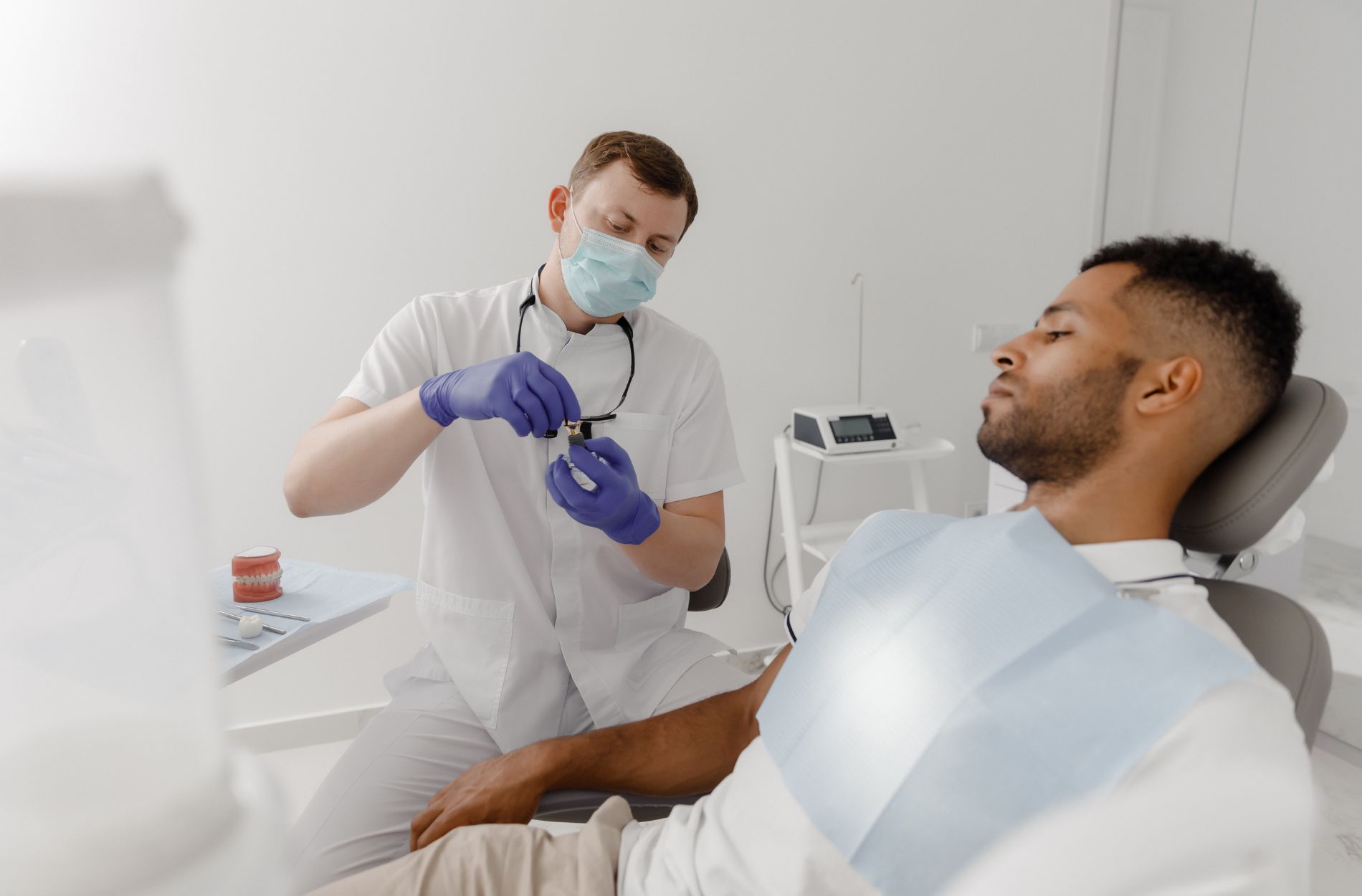
How to Manage Swelling After Wisdom Teeth Extraction
Having your wisdom teeth removed is a common dental procedure, one that many people undergo at some point. These third molars, located at the back of your mouth, often cause problems because they can emerge at odd angles, become impacted, or crowd neighboring teeth. Once they’re out, managing the swelling that follows is crucial for a smooth recovery. Understanding how to minimize discomfort will allow you to get back to your daily routine faster.
Even though it might be a routine procedure, the recovery from wisdom teeth extraction can be uncomfortable. Swelling is a natural part of the healing process, but there are practical steps you can take to reduce it and make your recovery more manageable. This guide will walk you through effective strategies to manage swelling after your wisdom teeth are removed.
Why Swelling Happens After Extraction
Swelling occurs after wisdom teeth extraction because your body responds to the trauma of the procedure. When your dentist removes the teeth, it creates an injury in your mouth and jawbone. Your body naturally sends fluid and white blood cells to the area to start the healing process. This buildup of fluid causes the swelling you feel.
Peak swelling usually occurs around 48 to 72 hours after the extraction. This means the first few days are the most important for managing discomfort. After that initial period, the swelling typically begins to decrease gradually.
Ice Therapy: Your First Line of Defense
One of the most effective ways to reduce swelling is through ice therapy. Applying ice to the outside of your cheek near the extraction site helps constrict blood vessels and reduce inflammation.
Here’s how to do it properly:
- Apply an ice pack for 15 to 20 minutes at a time
- Remove it for 10 to 15 minutes, then reapply
- Do this for the first 24 to 48 hours after extraction
- Wrap the ice pack in a thin cloth to avoid direct contact with your skin
The key is consistency. Regular ice application in those first two days makes a real difference. After 48 hours, ice becomes less effective, and heat may actually be more beneficial.
Heat Therapy After the First Two Days
Once the initial 48 hours have passed, switch to heat therapy. Applying heat to the outside of your cheek helps improve blood circulation and reduces stiffness.
- Use a heating pad or warm compress for 15 to 20 minutes at a time
- Apply it starting on day three after extraction
- Continue for several days as needed
Heat helps speed up the healing process by bringing more oxygen and nutrients to the area.
Keep Your Head Elevated
Gravity plays a role in swelling. When you lie flat, fluid naturally pools in your face and head, making swelling worse. By keeping your head elevated, you help fluid drain away from the extraction site.
Sleep with extra pillows propping your head up at an angle. Even sitting upright for the first few days helps reduce swelling. This simple step is surprisingly effective and costs nothing.
Stay Hydrated and Watch Your Diet
What you eat and drink matters during recovery. Stick to soft, cold foods like yogurt, smoothies, applesauce, and ice cream for the first few days. These foods are easy to consume and won’t irritate the extraction sites.
Stay hydrated by drinking plenty of water, but avoid hot beverages for at least the first week. Hot drinks can increase swelling and potentially dislodge blood clots, which leads to a painful condition called dry socket.
Avoid:
- Hot foods and drinks
- Spicy foods
- Hard or crunchy foods
- Alcohol
- Smoking
These can all interfere with healing and increase swelling.
Take Over-the-Counter Pain Relief
Over-the-counter anti-inflammatory medications like ibuprofen (Advil or Motrin) are particularly helpful because they reduce both pain and swelling. Take them as directed on the package, usually every 6 to 8 hours.
Ibuprofen is often more effective than acetaminophen for post-extraction swelling because it targets inflammation directly. However, follow the dosing instructions carefully and talk to your doctor or dentist if you have any concerns about taking these medications.
Gentle Rinsing with Salt Water
Starting 24 hours after extraction, you can gently rinse your mouth with warm salt water. This promotes healing and keeps the area clean without disturbing the blood clot.
Mix one-half teaspoon of salt in 8 ounces of warm water. Gently rinse after meals and before bed. Don’t swish vigorously—just let the salt water sit in your mouth for a few seconds, then let it fall out naturally.
Avoid Strenuous Activity
Physical activity increases blood flow, which can make swelling worse. Rest for at least the first 3 to 5 days after extraction. Avoid:
- Intense exercise
- Heavy lifting
- Bending over repeatedly
- Any activity that elevates your heart rate significantly
Light walking is fine, but save your workout routine for at least a week after the procedure.
When to Contact Your Dentist
Most swelling is normal and manageable, but contact your dentist if:
- Swelling worsens after day three
- You develop a fever
- You experience severe pain not controlled by medication
- You notice signs of infection, like pus or a bad taste in your mouth
- You have difficulty breathing or swallowing
Recovery Takes Time
Remember that complete healing from wisdom teeth extraction takes several weeks, even though visible swelling usually improves within a week. Be patient with your body and follow these guidelines for the best recovery experience.
If you’re scheduled for wisdom teeth extraction with an oral surgeon in Parma, don’t hesitate to reach out with any questions about recovery. We’re here to help you have the smoothest healing process possible.