
Sealants and Fluoride Treatments in Parma, OH
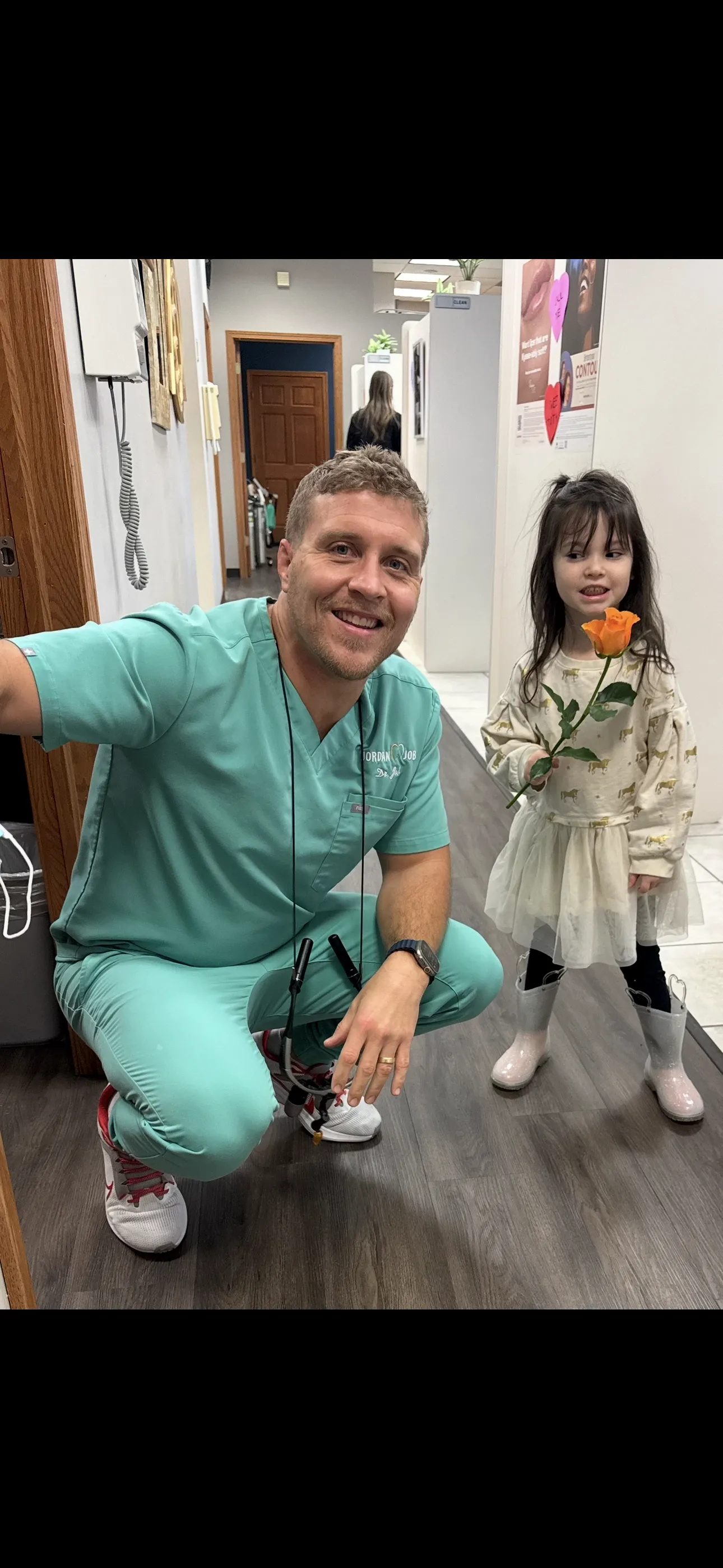
The easiest cavities to treat are the ones that never happen in the first place.
Sealants and fluoride treatments are the two most effective preventive tools available for protecting your child's teeth during the years when they are most vulnerable to decay. The CDC reports that school-age children without sealants have almost three times more cavities than children with sealants. Dr. Job applies both quickly and painlessly during routine visits in Parma, with no drilling, no numbing, and no anxiety for your child.
Your child leaves with stronger, better-protected teeth and no memory of anything uncomfortable.
Families across the south Cleveland area choose this practice for preventive care because the team makes every visit feel safe for kids, and the protection these treatments provide lasts for years.
My child's dentist recommended sealants but I have never heard of them. What are they?
Sealants are thin protective coatings applied to the chewing surfaces of the back teeth where cavities are most likely to start. The grooves on molars are too narrow for toothbrush bristles to clean effectively, which makes them a collection point for bacteria and food particles. A sealant fills those grooves and creates a smooth, sealed surface that is far easier to keep clean. The CDC reports that sealants prevent 80 percent of cavities in molars for the first two years after application and continue to protect for up to nine years.
Is fluoride actually necessary if my child already brushes every day?
Brushing removes plaque from tooth surfaces, but fluoride does something brushing cannot. It strengthens enamel at the molecular level by replacing minerals that acid from food and bacteria strips away throughout the day. Professional fluoride treatments use a higher concentration than what is in toothpaste or tap water, and they are applied directly to the teeth where protection matters most. For children whose permanent teeth are still developing, fluoride exposure during these years has a measurable impact on how resistant those teeth are to cavities for the rest of their lives.
Do sealants and fluoride treatments hurt at all?
Neither procedure involves any discomfort. Sealants are painted on and hardened with a light in under a minute per tooth. There is no drilling, no numbing, and no noise that might make a child anxious. Fluoride treatments involve a flavored gel or varnish applied to the teeth that sits for a few minutes. Both are completely painless and well tolerated even by children who are nervous about dental visits. The team at Dr. Job's office explains each step to your child in simple, calm terms before anything touches their teeth.
Frequently Asked Questions
Sealants are most effective when applied as soon as the permanent molars come in, which typically happens around age six for the first molars and around age twelve for the second molars. Applying sealants early protects these teeth during the years when children are most cavity-prone and least consistent with brushing. Dr. Job evaluates each child individually and recommends sealants based on when their specific teeth have fully erupted.
Sealants typically last five to nine years with normal wear. They are checked at every routine dental visit, and if a sealant has chipped or worn down it can be reapplied quickly. The protection is most critical during childhood and adolescence when cavity risk is highest, so even sealants that eventually wear off have done their most important work during the years that matter most.
Yes. Dental sealants have been used for decades and are recommended by the American Dental Association, the CDC, and the American Academy of Pediatric Dentistry. The amount of material used is extremely small, and the application process is entirely external. There is no injection, no drilling, and no removal of tooth structure involved.
Yes, though they are most commonly applied to children and teenagers. Adults who have deep grooves in their molars and a history of cavities can benefit from sealants as well. Dr. Job evaluates the condition of your teeth and recommends sealants when the anatomy of a specific tooth makes it a good candidate for protection.
Professional fluoride treatments are typically recommended every six months as part of a routine cleaning appointment. Children with a higher cavity risk due to diet, enamel quality, or history of decay may benefit from more frequent applications. Dr. Job makes a recommendation based on your child's specific risk factors rather than a one-size-fits-all schedule.
Excessive fluoride during the years when teeth are developing can cause fluorosis, which appears as faint white spots on the enamel. This is why professional fluoride treatments are carefully dosed based on your child's age and weight. The amount applied during a dental visit is controlled and safe. Dr. Job discusses appropriate fluoride use at home, including what toothpaste and how much, so the total exposure stays within recommended levels.