
Pediatric Dental Care in Parma, OH
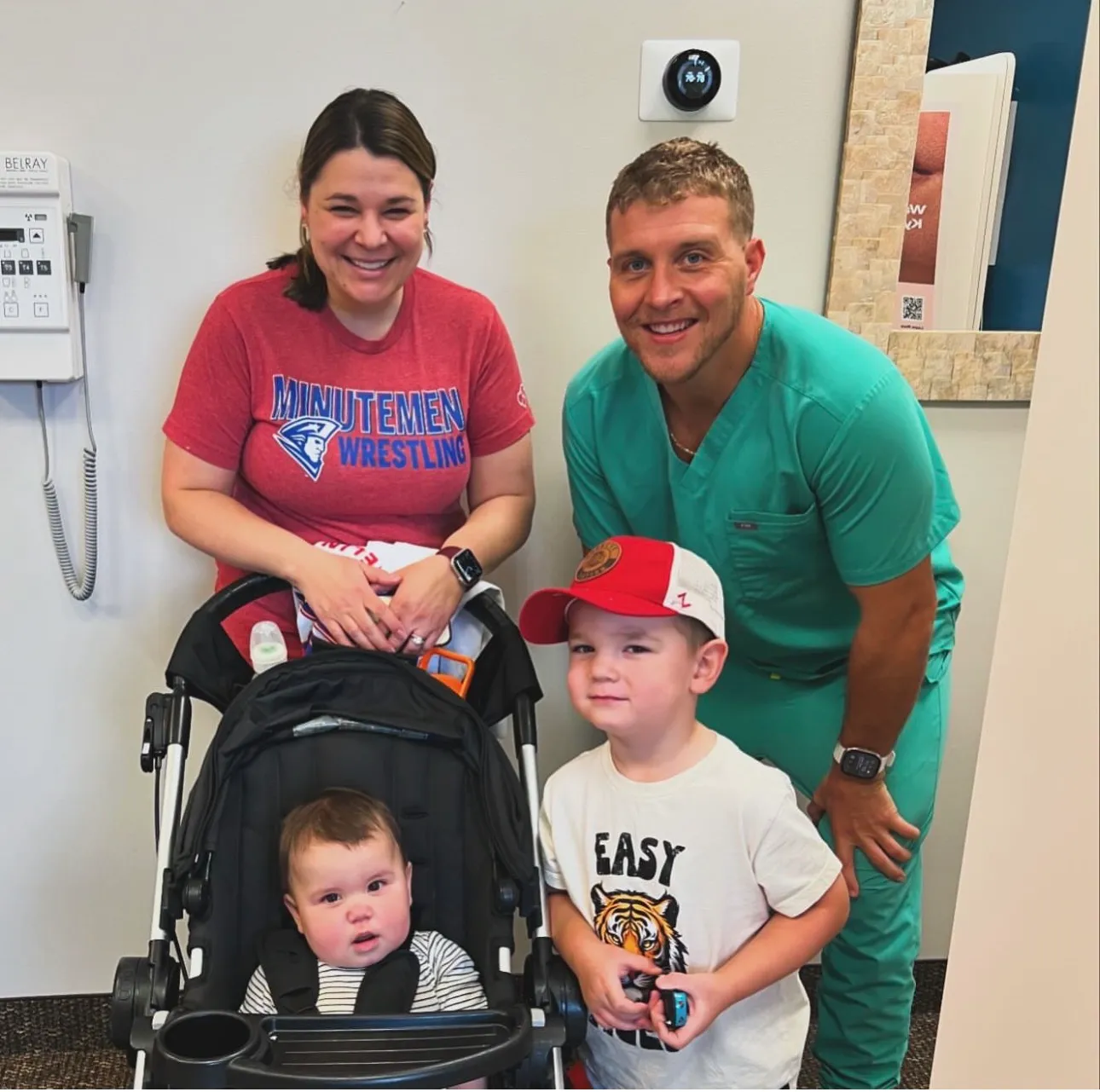
The experience your child has at the dentist right now shapes how they feel about going for the rest of their life.
Dr. Job's team in Parma is consistently singled out in reviews for being patient, warm, and genuinely great with kids, including the ones who come in nervous. From a first visit through school-age cleanings, sealants, and fluoride treatments, every appointment moves at your child's pace. Nothing is rushed, and nothing happens without a calm explanation first.
Your child comes out of the visit feeling okay about it, maybe even okay about coming back.
Families in Parma and Seven Hills bring their kids here because one good experience early prevents years of dental avoidance later.
My child had one bad dental experience and now refuses to go back. What can we do?
That kind of fear response is common and completely understandable. A difficult early experience can make children resistant for years if it is not handled carefully. The team at Dr. Job's Parma office has extensive experience with children who come in already anxious. Reviews from families across the south Cleveland area frequently mention kids who were nervous coming in and much more relaxed on the way out. A gentle, pressure-free reintroduction to the dental chair, at your child's pace, can undo a lot of that earlier damage over a few visits.
What if my child absolutely will not open their mouth at the appointment?
A child who will not open their mouth is not unusual, especially on a first or second visit. The team here uses a gradual, patient approach: sometimes just sitting in the chair and counting teeth with a finger is enough for visit one. The goal is to build trust over time, not accomplish everything in a single appointment. No child is ever forced or rushed here, and that patience is exactly what helps most kids come around. Parents across the Parma and Seven Hills area have seen dramatic improvements in their children's comfort level after just a few visits.
How do I raise a child who actually likes going to the dentist?
Early positive experiences are the single biggest predictor of lifelong dental attendance. Research consistently shows that children who have comfortable dental visits from an early age maintain better oral health as adults. That is exactly what this team focuses on during every children's appointment: making the visit feel safe, predictable, and even a little fun. The investment in those early visits pays off for decades in avoided anxiety, avoided cavities, and a child who keeps their appointments as an adult.
Frequently Asked Questions
The American Academy of Pediatric Dentistry recommends a child's first dental visit by age one or within six months of their first tooth emerging. That first visit is brief and focused on familiarizing your child with the environment and giving you guidance on at-home care. Starting early means your child builds a relationship with Dr. Job's team long before anything complex ever needs to happen.
Talk about the visit in simple, positive terms ahead of time. Avoid words like hurt, shot, or pull. Read books about going to the dentist or watch a short video together. Let your child bring a comfort item if it helps. At Dr. Job's Parma office, children are introduced to each instrument before anything is used, so nothing ever happens without a calm explanation first.
Research published in the International Journal of Pediatric Dentistry confirms that children take strong cues from their parents' reactions. When parents feel confident about the practice, it genuinely shows up in how their kids respond. The approach at Dr. Job's office is designed to make the experience positive for the whole family, which helps both you and your child feel better about coming in.
Yes. Modern dental X-rays use very low levels of radiation, and children are protected with a lead apron during the procedure. The American Dental Association supports routine X-rays for children because they catch problems between teeth and below the gumline that cannot be seen any other way. Dr. Job uses X-rays only when clinically indicated rather than on a rigid schedule.
No. More than half of children aged six to nineteen have had cavities in their permanent teeth according to the CDC, so your child is in very common company. The conversation at this practice is always focused on what to do going forward, not what went wrong in the past. Children here are never made to feel bad about their dental health.
Some cavities cause obvious symptoms like sensitivity or pain, but many early cavities have no symptoms at all. The only reliable way to catch them early is a routine exam with X-rays. That is one of the most important reasons regular checkups matter, especially during the years when permanent teeth are coming in and most vulnerable to decay.