
Gingivitis Treatment in Parma, OH
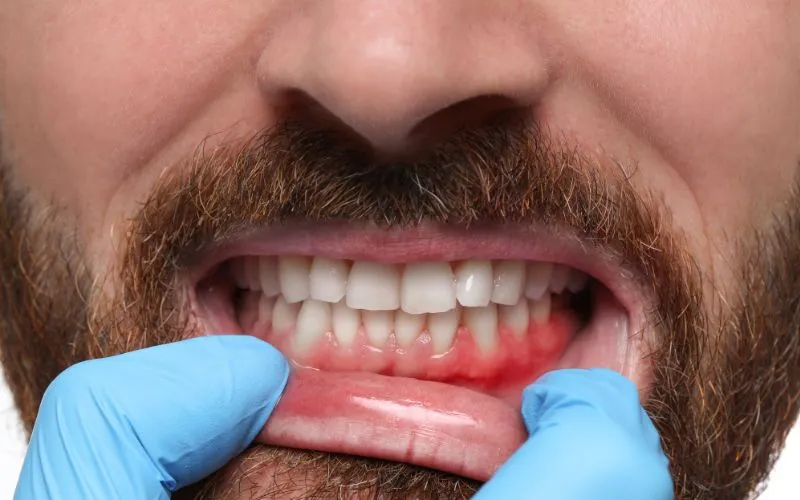
Bleeding gums when you brush are your mouth's earliest signal that something needs attention, and at this stage the condition is completely reversible.
Gingivitis is mild gum disease, and when it is caught here it can be resolved with a thorough cleaning and improved home care without any surgical treatment involved. Dr. Job addresses it directly during your regular care in Parma rather than sending you down a referral path for something that straightforward treatment can fix. You will be shown exactly what is happening and what you can do at home to keep it from coming back.
Getting it handled now is what prevents it from advancing into something that requires significantly more involved treatment later.
Patients across the south Cleveland area trust this practice because catching it early here keeps it from becoming a much bigger problem somewhere else.
My gums bleed every time I brush and I keep ignoring it. Should I be worried?
Yes. Bleeding when you brush is not normal and it is not caused by brushing too hard in most cases. It is one of the earliest and most consistent signs of gingivitis. The good news is that gingivitis caught at this stage is completely reversible with professional treatment and improved home care. Ignoring it longer allows it to advance into periodontitis, which involves bone loss that cannot be undone without more complex intervention.
I always assumed bleeding gums were just from brushing too hard. Is that true?
Occasionally aggressive brushing can cause minor irritation, but if gums bleed regularly even with a soft-bristled toothbrush and gentle pressure, the more likely explanation is gingivitis. That bleeding is your gum tissue responding to bacterial buildup at the gumline. Switching to a softer brush is always a good idea, but it will not resolve the buildup below the gumline that is causing the inflammation. A professional cleaning is the only way to address that directly.
I want to fix this before it turns into something more serious. Is that possible at this stage?
Absolutely, and acting now is exactly the right instinct. Gingivitis caught early can be resolved with a thorough cleaning and improved home care, without any surgical treatment involved. Getting it addressed now is what prevents it from advancing into the more serious form of gum disease that requires ongoing management and cannot be fully reversed. Dr. Job addresses it during your regular care in Parma rather than sending you down a specialist referral path for something that straightforward treatment can fix.
Frequently Asked Questions
Occasional bleeding when you first start flossing after a gap in your routine may resolve in one to two weeks as the tissue tightens up. But bleeding that occurs regularly every time you floss, especially if the gums also look red or swollen, is typically a sign of gingivitis. A visit to Dr. Job's Parma office lets you know for certain whether what you are experiencing is temporary irritation or something that needs professional attention.
Gingivitis requires professional treatment to remove the tartar buildup that causes the inflammation, because tartar cannot be removed by brushing or flossing once it has hardened. After a professional cleaning, consistent brushing, flossing, and sometimes an antibacterial rinse can maintain the result. But the cleaning itself is the essential first step. Trying to manage gingivitis at home without removing the tartar source is like treating a splinter without removing the splinter.
The timeline varies depending on genetics, oral hygiene, and risk factors like smoking or diabetes. Some people develop periodontitis within months of untreated gingivitis. Others stay in the gingivitis stage for years. There is no reliable way to predict the pace for any individual without monitoring, which is one of the reasons regular checkups matter even when nothing feels wrong.
Yes. Gingivitis is an inflammatory response, and once the bacterial trigger is removed through professional cleaning, healthy gum tissue responds quickly. Most patients notice that redness and puffiness begin to decrease within one to two weeks. Within four to six weeks of consistent brushing, flossing, and any rinses recommended by Dr. Job, the gum tissue in most cases returns to a visually healthy appearance.
Yes. Persistent bad breath is a common side effect of gingivitis even in people who brush consistently. The bacteria responsible for gum inflammation produce sulfur compounds that cause odor, and those bacteria live below the gumline where brushing cannot reach them. Treating the gingivitis itself is what resolves the odor at the source. Mouthwash helps temporarily, but it does not address the underlying bacterial buildup.
No. A large percentage of American adults are not keeping up with regular dental care right now, and no one at this practice will make you feel bad about it. The only thing that matters here is where things stand today and what to do from this point forward. Patients from across the south Cleveland area come back after years away and consistently say the visit was far easier than the anticipation.