
Are Transparent Braces Right for Your Specific Teeth Alignment Issues
If you’re considering straightening your teeth, you’ve probably heard about transparent braces—also called clear aligners or invisible braces. They’ve become increasingly popular in recent years, and for good reason. Clear braces offer a discreet way to straighten teeth without the obvious metal brackets and wires of traditional braces.
But are transparent braces the right choice for your specific alignment issues? The honest answer is: it depends. While clear aligners are effective for many situations, they’re not a one-size-fits-all solution. Understanding what transparent braces can and can’t do will help you make an informed decision about your treatment options.
What Are Transparent Braces?
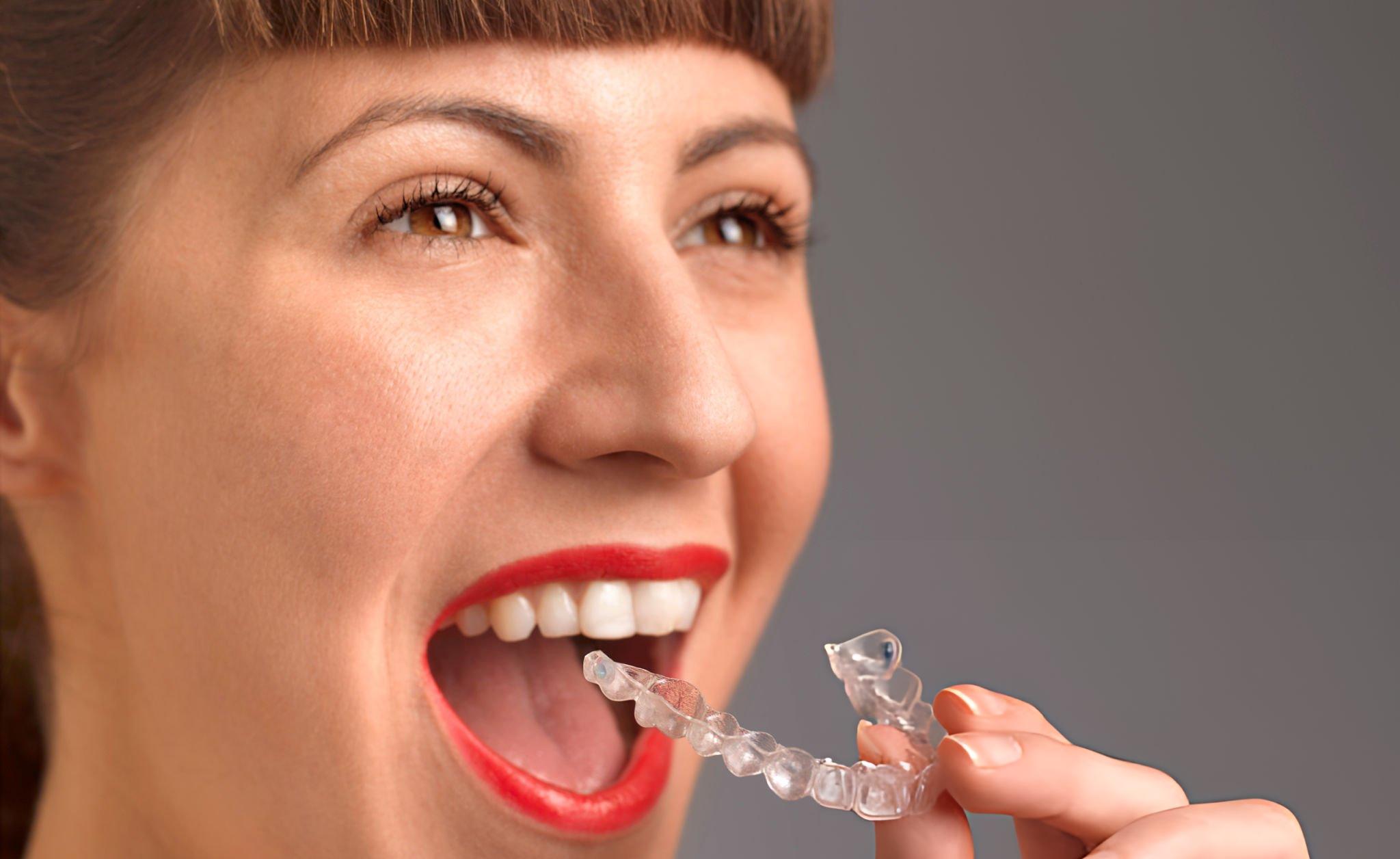
Transparent braces are custom-made plastic trays that fit snugly over your teeth. Each tray is slightly different from the last, gradually moving your teeth into the desired position. You wear each tray for about two weeks before moving to the next one in the series.
The most well-known brand is Invisalign, but several other companies now offer similar products. They’re called “invisible” because they’re clear and much less noticeable than traditional braces. They’re also removable, which gives them a major advantage for eating and cleaning your teeth.
What Transparent Braces Do Well
Clear aligners work great for mild to moderate alignment issues. If you have:
- Slight crowding of teeth
- Small gaps between teeth
- Minor bite issues
- Teeth that have shifted after previous orthodontic treatment
- Mild rotations or tilting of individual teeth
Then transparent braces are likely a good option for you. They can handle these kinds of corrections effectively and efficiently.
Many adults choose transparent braces specifically because they’re discreet. If you’re conscious about how braces look, clear aligners let you straighten your teeth without drawing attention to the process. You can smile with confidence throughout treatment.
They’re also more comfortable than traditional braces. There are no sharp brackets or wires poking your cheeks or gums. You won’t have the soreness that sometimes comes with wire adjustments. Eating is easier because you remove the trays while you eat, so there are no restrictions on food choices.
What Transparent Braces Struggle With
Here’s where it gets important: transparent braces have limitations. They work best when tooth movements are relatively straightforward. More complex alignment issues might require:
- Traditional braces
- A combination of clear aligners and traditional braces
- More frequent aligner changes
- A longer overall treatment time
Specifically, clear aligners are less effective for:
Severe crowding: If your teeth are very crowded or overlapping significantly, transparent braces might not be able to move them efficiently. Traditional braces with their ability to apply varied forces are often better suited for severe crowding.
Significant bite problems: If you have a deep bite (overbite), underbite, or crossbite that’s more than mild, clear aligners alone might not correct it effectively. These issues sometimes require the precise force control that traditional braces provide.
Severe rotations: If a tooth is rotated significantly (more than just a slight tilt), clear aligners might struggle to rotate it efficiently. Traditional braces can apply rotational forces more effectively.
Vertical movement: Moving teeth up or down (intrusion or extrusion) is more challenging for clear aligners than for traditional braces. If your treatment plan requires significant vertical movement, traditional braces might be more appropriate.
Precision finishing: While clear aligners can get your teeth pretty straight, some orthodontists find that traditional braces allow for more precise fine-tuning at the end of treatment.
Questions to Ask Yourself
To determine if transparent braces are right for you, ask yourself these questions:
Do I have mild to moderate crowding or spacing? If yes, clear aligners are likely a good fit.
Do I have a significant bite problem? If yes, traditional braces might be necessary, or at least a hybrid approach.
Am I willing to wear the trays 20-22 hours per day? Clear aligners only work if you’re compliant. They need to be in your mouth most of the time. If you know you won’t wear them consistently, they won’t be effective.
Can I handle the responsibility of keeping them clean and removing them at meals? With clear aligners, you’re responsible for proper care and discipline. Traditional braces stay on, so there’s no option to skip wearing them.
Do I have good oral hygiene habits? Clear aligners require you to brush and floss regularly because you remove them to eat. If your oral hygiene isn’t great, traditional braces might be a better choice because your orthodontist has more control over the situation.
Do I have realistic expectations about the timeline? Clear aligners work gradually. Simple cases might take 6 to 12 months, while more complex ones could take 18-24 months or longer. If you need results quickly, you should discuss this with your orthodontist.
What Your Orthodontist Will Consider
Your orthodontist has training to assess your specific situation and recommend the best option. They’ll look at:
- The degree of crowding or spacing
- Your bite relationship
- The degree of rotation in individual teeth
- The need for any extractions
- The overall complexity of your case
- Your age and jaw development status
- Your commitment to treatment
Based on this assessment, they might recommend clear aligners, traditional braces, or a combination approach.
The Combination Approach
Sometimes the best option is a hybrid approach: starting with transparent braces to handle the main tooth movements, then finishing with traditional braces for precise final positioning. This combines the aesthetic benefits of clear aligners with the precision of traditional braces.
Making Your Decision
If you’re thinking about straightening your teeth, schedule a consultation with an orthodontist in Parma. They can examine your teeth, discuss your concerns and goals, and recommend the treatment that will work best for your specific situation.
Transparent braces are a fantastic option for many people, but they’re not the right choice for every alignment issue. The good news is that you have options, and with a professional evaluation, you can find the treatment that will give you the straight smile you want.
If you’re in Parma, Ohio, and you’re considering orthodontic treatment, reach out. We can evaluate your teeth and discuss which approach—whether transparent braces, traditional braces, or a combination—will work best for your specific needs.