

Dental issues have a way of showing up when we’re least expecting them. A cracked tooth, sudden pain, or swelling can hit out of the blue, on a weekend, in the middle of the night, or right before a big event. When that happens, it’s easy to feel unsure about what to do next. Is it something that can wait until morning, or does it need quick attention now?
That’s where emergency dentistry comes into play. It’s the type of care meant to handle dental problems that can’t wait, ones that could get worse fast or cause serious discomfort. But not every toothache or loose filling qualifies. Knowing the difference matters, especially during the cold, snowy weeks of January when delays can make things harder to manage. In Parma, Ohio, winter weather can add extra pressure, especially when roads get icy or providers close early. Being able to spot a real emergency gives you a clearer path forward and less stress in the moment.
What Counts as a Dental Emergency?
Not all dental problems need help right away. Some issues, even if they’re uncomfortable, can wait a day or two. But others are more serious and need fast action.
Here are a few situations that may or may not be emergencies:
• Mild tooth pain that comes and goes
• A chipped tooth with no pain or sharp edges
• A crown that comes loose but doesn’t expose the nerve
These can usually wait, though you’ll still want to schedule an appointment soon. Signs like these should never be ignored:
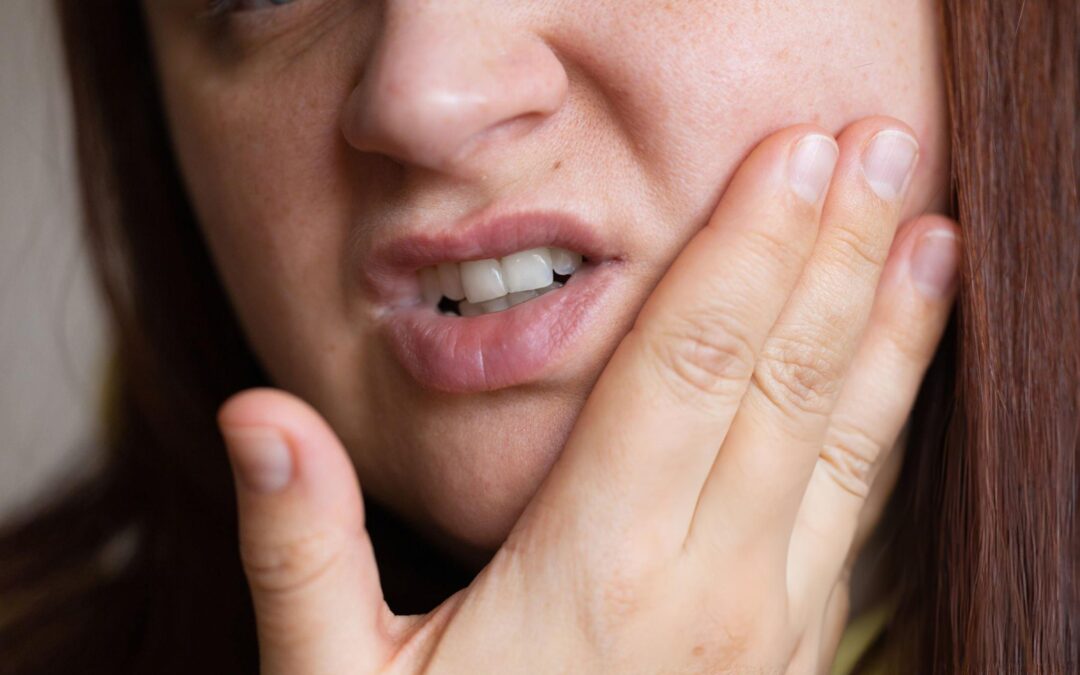
• Swelling in your face or jaw
• Bleeding that doesn’t stop
• A knocked-out tooth
• Sharp, constant pain that over-the-counter medicine won’t touch
• Signs of infection, like pus, a bad taste, or a fever
People sometimes head to the ER out of panic, but most dental emergencies are better handled by a dentist. Still, if you’re unsure or the situation involves serious swelling, difficulty breathing, or heavy bleeding, it’s best to call someone quickly and explain what’s going on.
What You Can Do in the First Few Minutes
How you respond right after something happens can make a real difference. Staying calm is step one. The more you panic, the harder it is to think clearly.
Once you’re past that first wave of worry, here are a few do’s and don’ts that can help:
• Don’t try to move or reattach a loose tooth by force
• Don’t put aspirin directly on the gums, it can irritate tissues
• Do apply a cold compress to reduce facial swelling
• Do rinse gently with warm water if there’s blood or debris
If a tooth gets knocked out, try placing it back in its socket if it fits, or keep it in saline while you call for help. Time matters in those situations, but handling it gently is just as important. Waiting with care, without poking, pulling, or self-fixing, can keep things from getting worse before a dentist sees you.
Common Causes of Sudden Dental Problems
Emergencies don’t always come from big accidents. Plenty of everyday moments can lead to sudden problems. Some of the most common reasons include:
• Biting into something hard, like ice or popcorn kernels
• Sports injuries without proper mouth protection
• Old fillings or crowns that crack while chewing
• Neglected decay that spreads deeper
For some people, these surprises build up slowly. Skipping regular checkups or brushing through pain allows small issues to grow. In places like Parma, Ohio, winter can play a part too. Cold weather often means people delay their care because of snowstorms, holiday travel, or illness. Mix that with sticky treats or crunchier snacks at gatherings, and the risk of trouble rises.
Jordan M. Job DDS, provides emergency dental care in Parma, Ohio, with prompt appointments for sudden pain, trauma, or infection. Our office uses digital X-rays to quickly assess urgent dental problems and offers a range of same-day services, including treatment for broken teeth, lost fillings, and severe toothaches.
When to Call for Emergency Dentistry Support
Trying to figure out if something requires emergency dentistry can be tricky. But a few clear signs should push you to pick up the phone, even after hours.
• Severe pain that doesn’t go away with rest or medicine
• Facial swelling that spreads or gets worse quickly
• A tooth completely knocked out of your mouth
• Bleeding that hasn’t stopped after several minutes
These are good reasons to call right away. Less urgent issues like mild discomfort, a lost filling, or a cracked crown without pain might not need that same level of speed. The safest move is to reach out and describe what’s going on. That input can help you figure out the next steps without second-guessing.
Having a dental provider you trust makes these situations easier. It means you already know who to contact, what their emergency process is, and whether they’re open late or available by phone outside regular hours. That kind of support brings peace of mind, especially during seasons when finding care feels harder.
A Smart Way Forward When the Unexpected Happens
The truth is, you can’t always see a dental emergency coming. But knowing how to spot one, react quickly, and get help makes everything feel a little more manageable. Whether it’s managing pain, protecting a damaged tooth, or simply knowing who to call, acting early makes a big difference.
When something feels wrong, trust your instincts but don’t panic. Cold weather, busy winter weeks, and late nights don’t make things easier, but being informed helps you stay calm and take the right steps. Thinking ahead, being prepared, and knowing when it’s time to act all work together to keep your mouth healthier and help you breathe a little easier the next time trouble strikes.
Knowing when to seek urgent dental care can make all the difference, especially in Parma, Ohio. At Jordan Job, DDS, we pride ourselves on supporting our neighbors in times of need, whether you’re experiencing persistent pain or a sudden injury. For clear information on how to recognize and respond to true dental emergencies, see our information about emergency dentistry. If you have concerns or think your situation might be serious, don’t hesitate to contact us directly.