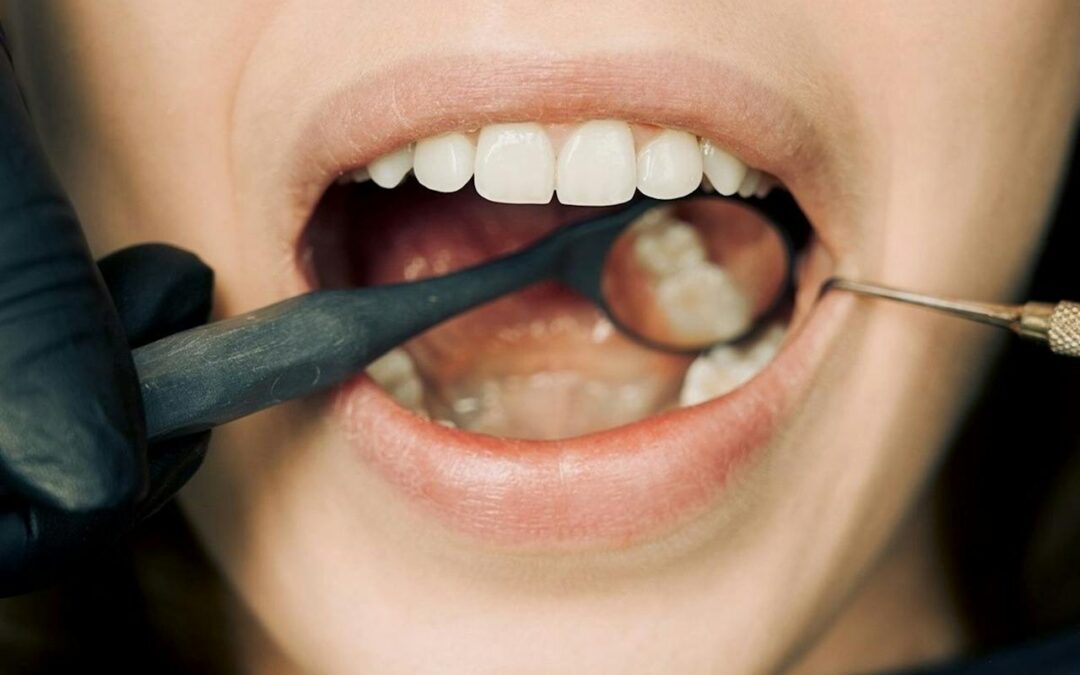






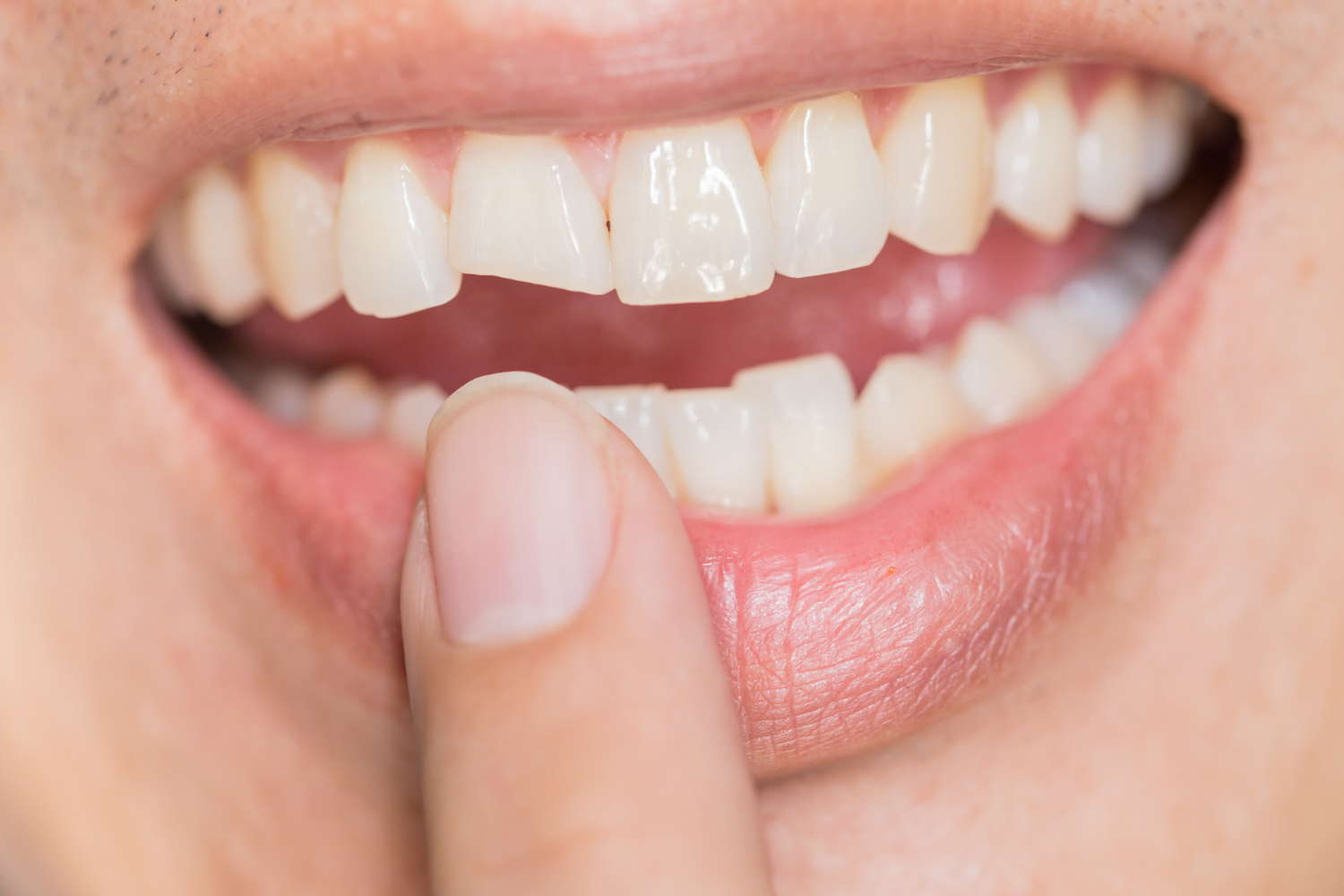
Chipping a tooth can happen when you least expect it. Maybe you bit down on something crunchy at a holiday gathering, or maybe a slip on icy pavement turned into a quick trip, landing you face-first. Around late November in places like Parma, Ohio, small accidents tend to happen more often, and with all the holiday distractions, it’s easy to brush off a minor chip.
But not every chipped tooth will stay minor. Cosmetic dentistry services may support repairs that help you smile again with confidence. The best option depends on what part of the tooth is damaged and how big the chip is. Some fixes are simple, while others may take a little more time. Let’s take a look at what really happens when a tooth chips, what can be done about it, and when to follow up.
What Happens When You Chip a Tooth?
Chipped teeth are more common than many people think. A tooth might chip when biting into hard bread crusts, ice cubes, holiday candy, or even tough meats. Winter doesn’t make it any easier. Cold air and hot drinks moving through your mouth in quick shifts can sometimes make already stressed teeth more likely to crack. Slipping on slick walkways or getting bumped during seasonal sports can do it, too.
Once a tooth is chipped, it might not hurt at first. It could just feel like a small nick, or the edge might feel rough when you run your tongue over it. But there are other signs to watch out for:
• Sharp edges that scrape the inside of your cheek or tongue
• Sensitivity to hot or cold foods or drinks
• Soreness in that part of your mouth when you chew
Even a small chip can let in bacteria or lead to more damage if it’s left untreated. That’s why it’s worth taking notice, even if it doesn’t seem like a big deal at the start.
Options That May Be Used to Fix a Chipped Tooth
The best fix for a chipped tooth depends on a few things, like where the tooth is, how deep the chip goes, and how it’s affecting your bite. Some solutions can be done quickly, while others may take more shaping and matching to get things lined up just right.
A common option for small chips is bonding. This is when a dentist uses tooth-colored material to fill in or smooth over the chipped part, making it look whole again. It often works well when the chip is closer to the edge and hasn’t affected the tooth’s root.
If the chip is bigger or in a spot that shows a lot when you smile, a veneer or crown may be considered. Veneers are thin shells that go on the front of the tooth to cover up damage. Crowns are more like protective caps that cover the whole thing if the structure underneath needs support.
We usually look at:
• The size and depth of the chip
• Whether you feel pain or sensitivity
• If nearby teeth or your bite are affected
Each tooth is a little different. Picking the right fix often starts with seeing it up close and feeling how it fits into your overall bite.
How Cosmetic Dentistry Services Support Tooth Repairs
When it comes to restoring chipped teeth, cosmetic dentistry services can often help make the tooth look and feel like it did before. These services aren’t just about appearance. They can also help bring back balance if your bite feels off after the damage.
We usually aim to:
• Match the shape and color of your other teeth
• Make sure the repaired part feels smooth in your mouth
• Support regular chewing and biting without pain
Color matching plays a big role, especially for chips near the front, where people notice right away. Even small chips can stand out when they disrupt the line of your smile or reflect light unevenly.
The reason many people lean on professional repairs is that every chip is a little different. Getting the shape right without making the tooth feel bulky or look misaligned takes more than quick patchwork. Additionally, deeper chips may require inspection for cracks beneath the surface.
Jordan M. Job DDS, offers composite bonding, porcelain veneers, and crowns as cosmetic dentistry options to repair chipped teeth based on the severity and your goals. Conservative cosmetic treatments allow the dental team to preserve as much healthy tooth structure as possible while restoring strength and appearance.
When to Schedule a Dental Visit
Not every chip will hurt right away, but some signs mean it’s time to book a quick check-in:
• Ongoing pain or pressure around the chipped tooth
• Sensitivity that lingers after sipping hot cocoa or cold drinks
• Swelling or a bad taste near the tooth that could signal infection
Late November is a busy time for most families, and winter break or travel plans may already be filling up. That makes now a good time to take care of small dental issues before they have the chance to turn into bigger ones.
Getting a chipped tooth looked at early helps with peace of mind, too. If there’s a solution that works and keeps everything stable, it may make your holiday meals and photos a lot more enjoyable.
Smile Confidently Through the Season
A chipped tooth might feel like a small problem, but taking care of it can keep your smile feeling comfortable through all the season’s plans. Restorative and cosmetic dentistry at Jordan M. Job DDS emphasizes not only durability but also blending naturally with your existing teeth, so your repair remains nearly invisible in both photos and daily life. With a family-centered approach, you can be assured that your concerns are heard and your treatment is genuinely personalized.
Knowing what could be fixed and what to expect makes taking that next step feel simpler. Whether it’s a bonding touch-up or another type of repair, finding a path forward keeps that chip from becoming a bigger deal down the road. With colder weather and busy schedules ahead, a small dental fix now could go a long way.
Chipped a tooth in Parma, Ohio? Early attention can help you avoid discomfort and protect your smile. At Jordan M. Job DDS, we often repair this kind of damage with treatments from our cosmetic dentistry services based on your unique needs. Contact us today to find the best solution and schedule a convenient time for your visit.