
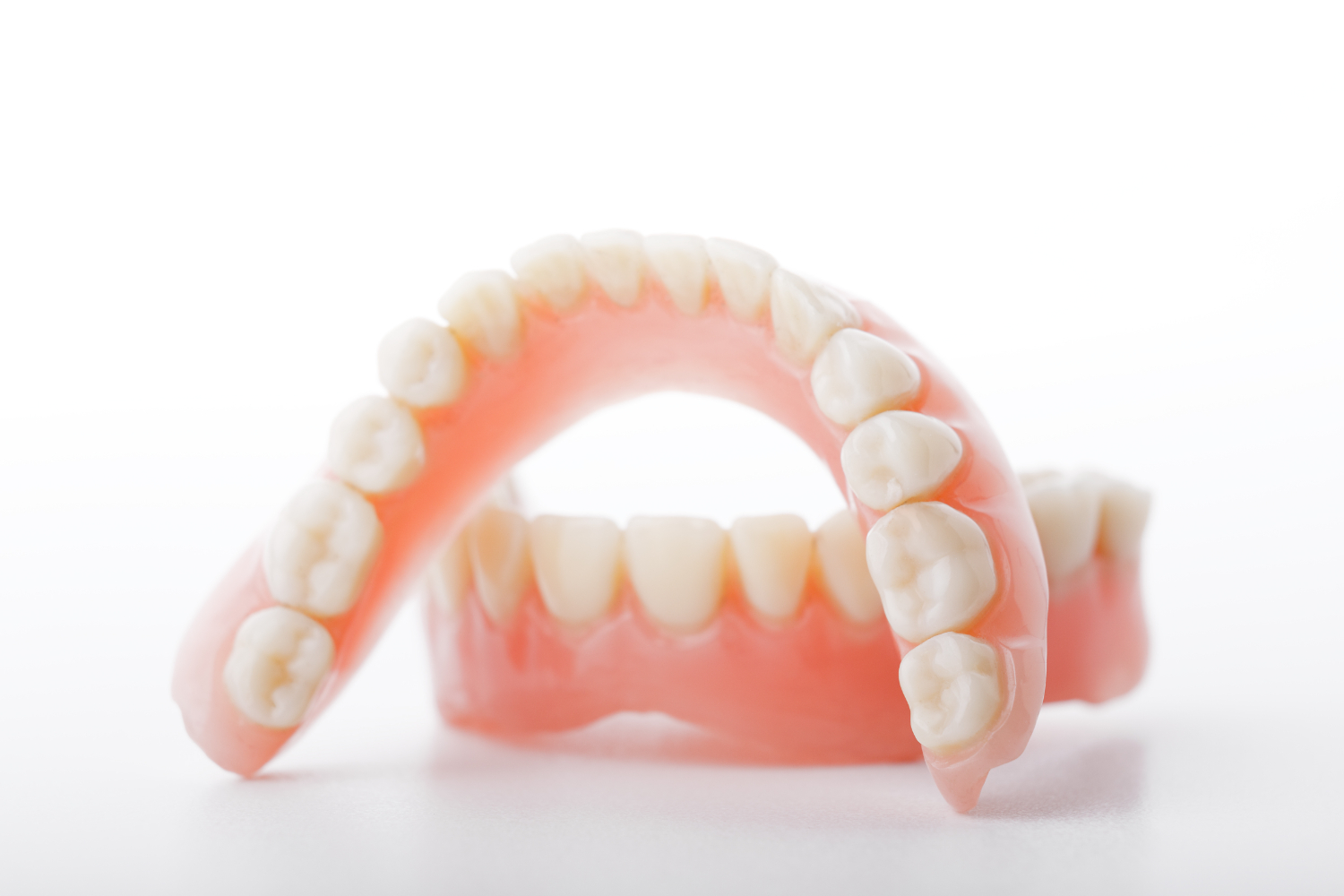
Dentures and partial dentures are time-tested solutions for replacing missing teeth. Whether you’ve lost teeth due to decay, disease, or injury, dentures can restore your ability to eat, speak, and smile with confidence. This comprehensive guide covers everything you need to know about dentures and partials.
Understanding Dentures and Partials
Complete Dentures
Complete dentures replace all of your teeth in either your upper or lower jaw, or both. They’re made of a flesh-colored acrylic base that fits snugly over your gums, with artificial teeth attached to the base.
Complete dentures can be conventional or immediate. Conventional dentures are made after your teeth are extracted and gums have healed, usually 8-12 weeks after extraction. Immediate dentures are made before extraction and placed right after teeth are removed.
Partial Dentures
Partial dentures replace one or more missing teeth and attach to your remaining natural teeth. They’re held in place by metal clasps or precision attachments and fill gaps in your smile while supporting facial structure.
Types of Dentures
Conventional Dentures
Conventional dentures are fabricated after all teeth are extracted and gums have healed. This allows for proper fit and comfort, but means you’ll be without teeth during the healing period.
Immediate Dentures
These are inserted immediately after tooth extraction. While convenient, they may require more adjustments as your gums heal and change shape.
Implant-Supported Dentures
These dentures attach to dental implants, providing superior stability and retention compared to traditional dentures. Learn more about implant-supported dentures and whether they might be right for you.
Benefits of Dentures
Improved Appearance
Well-fitted dentures restore your natural facial contours and give you a full smile, making you look younger.
Better Speech and Eating
Dentures restore your ability to pronounce words correctly and chew food more effectively, improving nutrition and quality of life.
Affordable Tooth Replacement
Dentures are typically more affordable than dental implants, making them accessible to more people.
Easy Maintenance
Unlike natural teeth, dentures don’t decay and are simple to clean and maintain.
Adjusting to Dentures
Initial Adaptation Period
It takes time to adjust to wearing dentures. Your mouth will feel different, and you may experience minor discomfort initially. Most people adapt within a few weeks.
Speaking and Eating
Practice speaking and eating soft foods while adjusting to your new dentures. Gradually introduce harder foods as you become more comfortable.
Retention and Stability
New dentures may feel loose initially, but they typically become more comfortable as your mouth adjusts. Talk with your dentist if they feel too loose or uncomfortable.
Caring for Your Dentures
Daily Cleaning
Remove your dentures and rinse them under running water after meals. Brush them gently with a soft-bristled denture brush to remove food particles and plaque.
Overnight Storage
Store your dentures in water or denture solution overnight to keep them moist and maintain their shape.
Professional Cleaning
Have your dentures professionally cleaned periodically to remove stubborn stains and maintain their appearance.
Denture Adjustments and Repairs
Regular Adjustments
Your mouth changes shape over time, so dentures need periodic adjustments. Visit your dentist regularly for fitting adjustments.
Relining
Over time, your gums shrink, causing dentures to become loose. A reline fills the space between the denture and your gums to restore a better fit.
Repairs
If your dentures break, crack, or a tooth becomes loose, see your dentist for repairs. Don’t attempt to repair them yourself.
Challenges and Solutions
Loose Dentures
Loose dentures can cause discomfort and difficulty eating. Denture adhesive can provide temporary improvement, but relining is the permanent solution.
Sore Spots
Some people develop sore spots where dentures rub against gums. Your dentist can adjust the denture to relieve pressure.
Taste Sensitivity
Dentures cover part of the palate, which can affect taste. Most people adjust to this over time.
Comparing Dentures to Other Options
Dentures offer several advantages:
- More affordable upfront than implants
- Non-invasive; no surgery required
- Reversible if you choose another option later
However, implants offer better long-term stability and durability, while bridges preserve more natural tooth structure than dentures do.
Conclusion
Dentures and partial dentures are effective solutions for missing teeth that can significantly improve your quality of life. With proper care and regular dental visits, your dentures will provide years of dependable service. If you’re considering dentures and partial dentures, consult with Dr. Jordan M. Job DDS to discuss your options and find the best solution for your needs.