
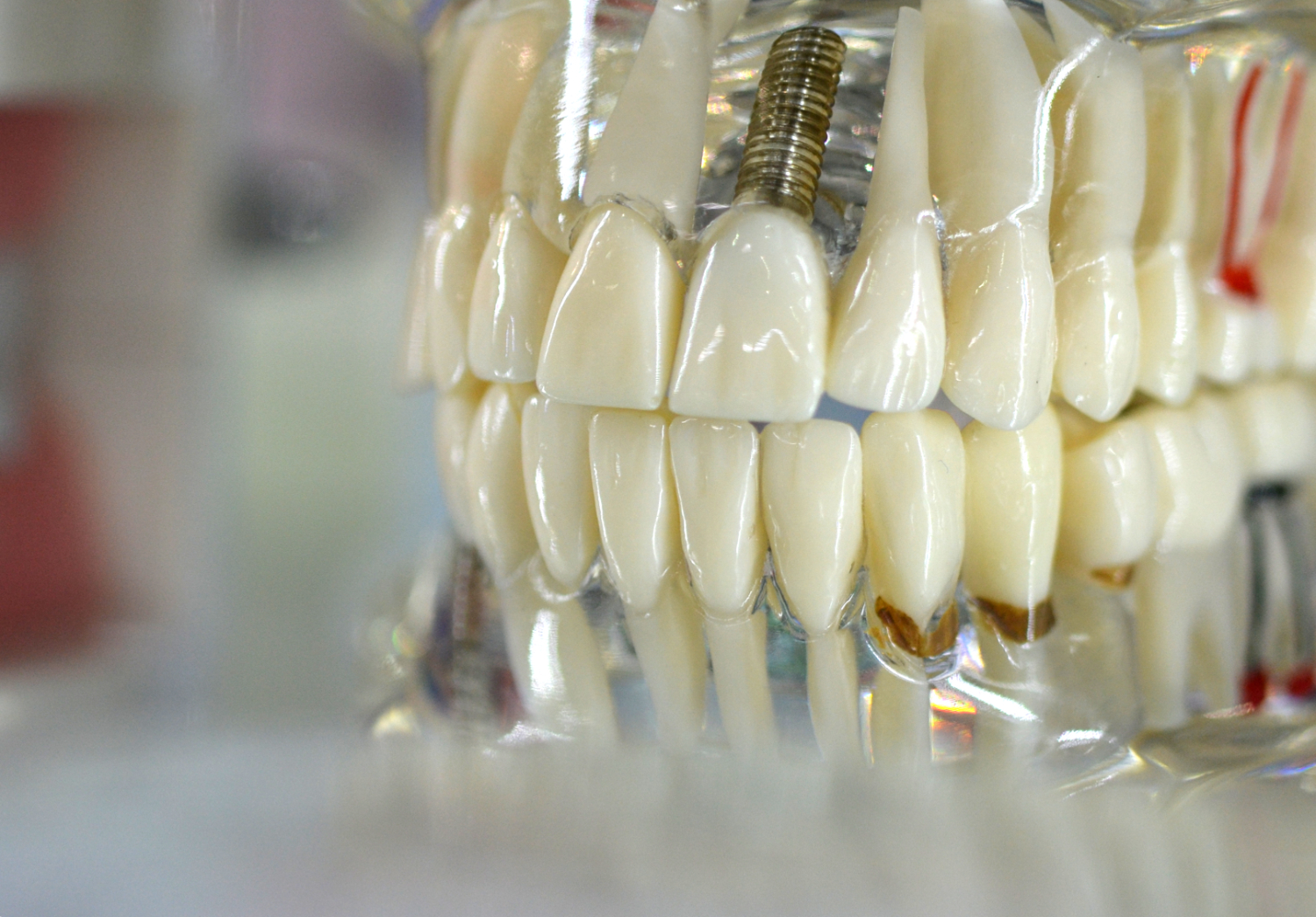
Dental implants have become a popular and effective solution for replacing missing teeth. If you’re considering tooth replacement options, you’ve likely heard about dental implants. They offer a permanent, natural-looking solution that can last a lifetime with proper care. But are they the right choice for you? Let’s explore what dental implants are and how to determine if they’re the best option for your situation.
What Are Dental Implants?
Understanding the Implant Structure
A dental implant is an artificial tooth root, typically made of titanium, that’s surgically placed into your jawbone. Once integrated with the bone, the implant serves as a sturdy foundation for a replacement tooth or bridge.
The implant consists of three main parts: the implant body (which goes into the bone), the abutment (which connects the implant to the crown), and the crown (the visible tooth-like structure).
How Implants Work
During the implant procedure, your dentist surgically places the titanium post into your jawbone. Over several months, the post fuses with the bone in a process called osseointegration. This creates a strong, stable foundation for the replacement tooth.
Once osseointegration is complete, an abutment is attached to the implant. Your custom-made crown is then placed on the abutment, completing the restoration. The result looks, feels, and functions like a natural tooth.
Benefits of Dental Implants
Durability and Longevity
Dental implants are designed to last many years, often for the rest of your life. Unlike other tooth replacement options, implants don’t decay or require special cleaning. With proper care, they can be a permanent solution to missing teeth.
Natural Appearance and Function
Implants look and feel like natural teeth. They restore your ability to bite and chew with normal force, unlike dentures which have limited chewing power.
Oral Health Benefits
Unlike bridges, which require reshaping adjacent teeth, implants don’t impact neighboring teeth. They also help preserve jawbone density, preventing the bone loss that occurs with missing teeth.
Improved Confidence
Having a complete smile with implants can significantly boost your self-esteem and confidence. You can eat, speak, and smile without worry.
Are You a Good Candidate?
Bone Health Requirements
For a successful implant, you need adequate jawbone density. Your dentist will take X-rays to assess your bone structure. If you don’t have enough bone, a bone graft may be necessary before implant placement.
Overall Health Considerations
You should be in good general health for implant surgery. Certain conditions like uncontrolled diabetes or immunosuppression may affect healing. Your dentist will review your medical history to determine if implants are appropriate for you.
Oral Health Status
Your remaining teeth should be healthy, and any gum disease should be treated before implant placement. Good oral hygiene is essential for implant success.
Lifestyle and Habits
You should be committed to maintaining excellent oral hygiene. Smoking can interfere with bone healing and implant success, so quitting before the procedure is recommended.
The Implant Process
Consultation and Planning
Your journey begins with a consultation where your dentist assesses your tooth loss, jawbone structure, and overall health. Detailed imaging is taken to plan the implant placement.
Surgical Placement
The implant is surgically placed into your jawbone under anesthesia. This is typically an outpatient procedure.
Healing and Integration
Over the next several months, your jawbone fuses with the implant. During this time, you’ll wear a temporary tooth if needed.
Crown Placement
Once integration is complete, the abutment and crown are attached, completing your restoration.
Cost Considerations
Dental implants are typically more expensive upfront than other tooth replacement options. However, because they last so long and don’t require replacement, they’re often more cost-effective over time.
Many insurance plans cover a portion of implant costs. Discuss financing options with your dentist.
Alternatives to Consider
While implants are excellent, they may not be right for everyone. Other options include:
- Dental Bridges - Require reshaping adjacent teeth but are less invasive
- Dentures - A removable option that’s less expensive but requires more maintenance
- Partial Dentures - Good for replacing multiple teeth at lower cost
Conclusion
Dental implants offer a durable, natural-looking solution for missing teeth. If you have good bone health, overall good health, and are committed to oral hygiene, implants might be the perfect choice for you. Consult with Dr. Jordan M. Job DDS to discuss whether dental implants are right for your situation and begin your journey to a complete smile.