
Missing a tooth? You’re not alone. Whether it’s from an injury, decay, or something else entirely, gaps in your smile affect a lot of people. The good news is that dental implants offer a solution that looks natural, feels comfortable, and can last decades with proper care. At our Parma practice, we help families understand their options so they can make the best choice for their smile.
Implants have come a long way. They’re no longer just for people who’ve lost multiple teeth or need extensive work done. Today, they’re a realistic option for anyone missing one or more teeth who wants a permanent fix. Let’s talk about what they are, how they work, and whether they might be right for you.
What Dental Implants Actually Are
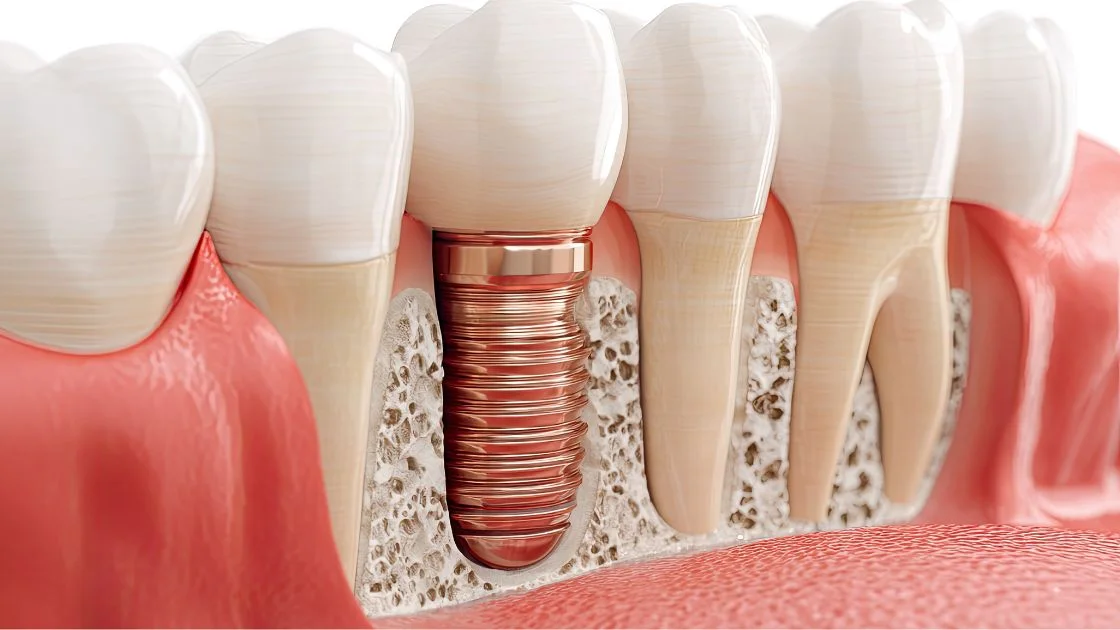
Think of an implant as a replacement tooth root. It’s a small titanium post placed into your jawbone where your natural tooth used to be. Over time, usually a few months, the bone grows around this post and holds it firmly in place. Then a custom-made crown is attached on top that looks and functions just like your natural teeth.
The beauty of implants is how they become part of you. Unlike dentures that sit on top of your gums, or bridges that rely on neighboring teeth for support, implants stand on their own. You brush them like regular teeth. You eat whatever you want. Most people forget they even have one.
Here’s what makes them different from other options:
- They don’t require grinding down healthy teeth like bridges do
- They help preserve your jawbone instead of letting it shrink over time
- They feel stable when you eat and speak
- They can last decades with good care
Signs You Might Need Dental Implants
How do you know if an implant is right for you? Here are some situations where we often recommend them.
You’re missing one or more teeth and want them replaced. Maybe you’ve been living with a gap for years, or maybe you recently lost a tooth. Filling that space protects your other teeth from shifting and keeps your bite aligned.
Your dentures don’t feel secure. If your dentures slip when you eat or talk, implant-supported dentures can anchor them in place. You feel more confident, and you don’t have to worry about them moving around.
You want to protect your jawbone. When you lose a tooth, the bone that used to support it starts to deteriorate. Over time, this can change the shape of your face. Implants stimulate the bone the same way natural roots do.
You’d rather avoid a bridge. Traditional bridges require filing down the teeth on either side of the gap. If those teeth are healthy, you might not want to alter them. An implant fills the space without touching your other teeth.
The Implant Process: What to Expect
Dental visits can feel overwhelming, especially when you’re considering something like an implant. That’s why we walk you through every step before we start. No surprises. No confusing medical terms without explanation.
First, we do a thorough exam and take X-rays to check your jawbone. We need to make sure there’s enough bone to support the implant. If there isn’t, we can talk about bone grafting, which helps build up the area.
During the placement visit, we numb the area completely so you’re comfortable. Most patients tell us it’s easier than they expected. After the implant is placed, you’ll need some time to heal. This usually takes a few months as the bone grows around the post.
Once everything has healed, we attach a custom crown that matches your other teeth perfectly. We make sure the color, shape, and size blend in naturally. When we’re done, even you’ll have trouble telling which tooth is the implant.
Between visits, we check in and make sure you’re healing well. The whole process takes time, but it’s worth it for results that can last a lifetime.
Caring for Your Dental Implants
Good news here. Caring for implants is simple: treat them like your natural teeth. Brush twice a day. Floss daily. Come in for your regular checkups so we can make sure everything stays healthy.
Your implant can’t get cavities since it’s not a natural tooth. But you still need to keep your gums healthy. Gum disease is the biggest threat to implants, just like it is to natural teeth. That’s why your regular cleanings matter so much.
Most of our patients in Parma and the surrounding communities find that implants make life easier, not harder. You don’t need special cleaning solutions or soaking cups like you do with dentures. You don’t need to avoid certain foods. Just take care of them like you do the rest of your teeth, and they’ll take care of you.
Questions People Ask Before Their First Consultation
How long do dental implants last?
With proper care, dental implants can last 20 years or even a lifetime. The crown on top might need replacement after 10 to 15 years depending on wear, but the implant post itself typically stays in place permanently. The American Academy of Implant Dentistry reports implant success rates consistently above 95 percent. Your daily brushing and flossing habits, along with regular dental visits, play a big role in how long they last.
Are dental implants painful?
Most patients are surprised by how comfortable the process is. We numb the area completely during placement, and many people say it’s less uncomfortable than having a tooth removed. After the visit, you might have some soreness for a few days, but over-the-counter pain relievers usually handle it just fine. We’re here for you if you need anything during recovery.
Does insurance cover dental implants?
Coverage varies by plan. Some dental insurance policies cover a portion of implant treatment, while others don’t. We review your benefits and provide a clear breakdown of costs before we start. Many patients find that the long-term value makes implants worth the investment, especially since they can last so much longer than other replacement options.
Can anyone get dental implants?
Most healthy adults are good candidates. You need enough jawbone to support the implant and healthy gums. Some health conditions, like uncontrolled diabetes or active gum disease, need to be managed first. During your consultation, we’ll evaluate your specific situation and let you know if implants are right for you or if we need to address anything else first.
How much do dental implants cost in Parma?
The cost depends on several factors, including how many teeth you’re replacing and whether you need additional work like bone grafting. A single implant typically costs more upfront than a bridge, but it often lasts longer and doesn’t require work on other teeth. We give you an exact quote during your consultation and help you understand your payment options.
Your Smile Matters to Us
Missing teeth don’t have to be permanent. Whether you lost a tooth years ago or you’re dealing with something more recent, dental implants offer a natural-looking solution that restores both function and confidence. We’re here to answer your questions and help you figure out the best path forward.
If you’re in Parma, Brook Park, North Royalton, or Independence and you’re curious about dental implants, request an appointment or call 440-888-5855. We’re taking new patients.